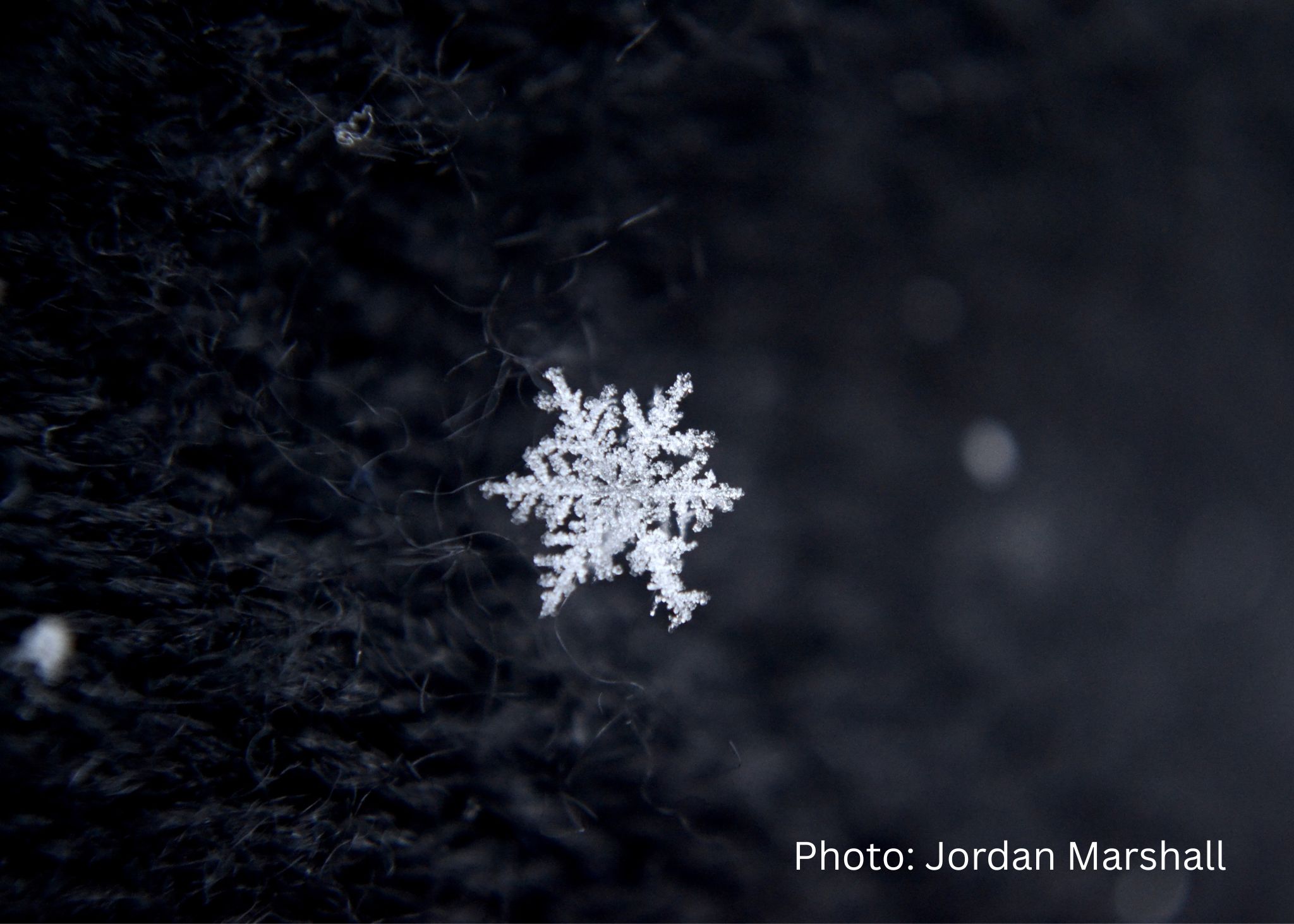
When temperatures are cold enough for snow, water vapor in the air freezes into ice crystals that form snowflakes. Each one grows as it moves through clouds, building its shape based on temperature and moisture.
With a little patience and the right surface, you can take a closer look at these frozen works of nature.=
Let’s Get Started
Step outside on a frosty morning or during a snowfall to observe the shapes landing around you. You might be surprised by the detail in something so small!
Awesome!
Awesome!
Step 1: Dress for the weather.
Put on warm clothing, gloves, and a hat so you can stay outside comfortably.
Amazing!
Amazing!
Step 2: Find a dark surface.
Snowflakes are easier to see against something dark. Try:
- A piece of black or dark-colored paper
- A dark mitten or glove
- A dark colored scarf
- A dark plastic lid
- A dark notebook cover
If you have access to it, you can place your paper or object outside for a few minutes first so it’s cold. This helps keep snowflakes from melting too quickly.
Good Job!
Good Job!
Step 3: Catch a snowflake.
Hold your dark surface flat and let snowflakes land gently on it. Try not to breathe directly on them — your warm breath can melt them!
Fantastic!
Fantastic!
Step 4: Look closely.
Observe the shapes and patterns in snow and frost. If you have a magnifying glass, use it. If not, look carefully with your eyes.
Try drawing your favorite patterns, noting how many sides each snowflake has, their shapes, and designs.
Fantastic!
Fantastic!
Step 5: Compare and observe.
Watch several snowflakes. Do they all look the same? What differences can you find?
Tips
- Catch snowflakes on clothing made of wool or fleece — they often land gently and hold their shape briefly.
- Move to a shaded area to slow melting.
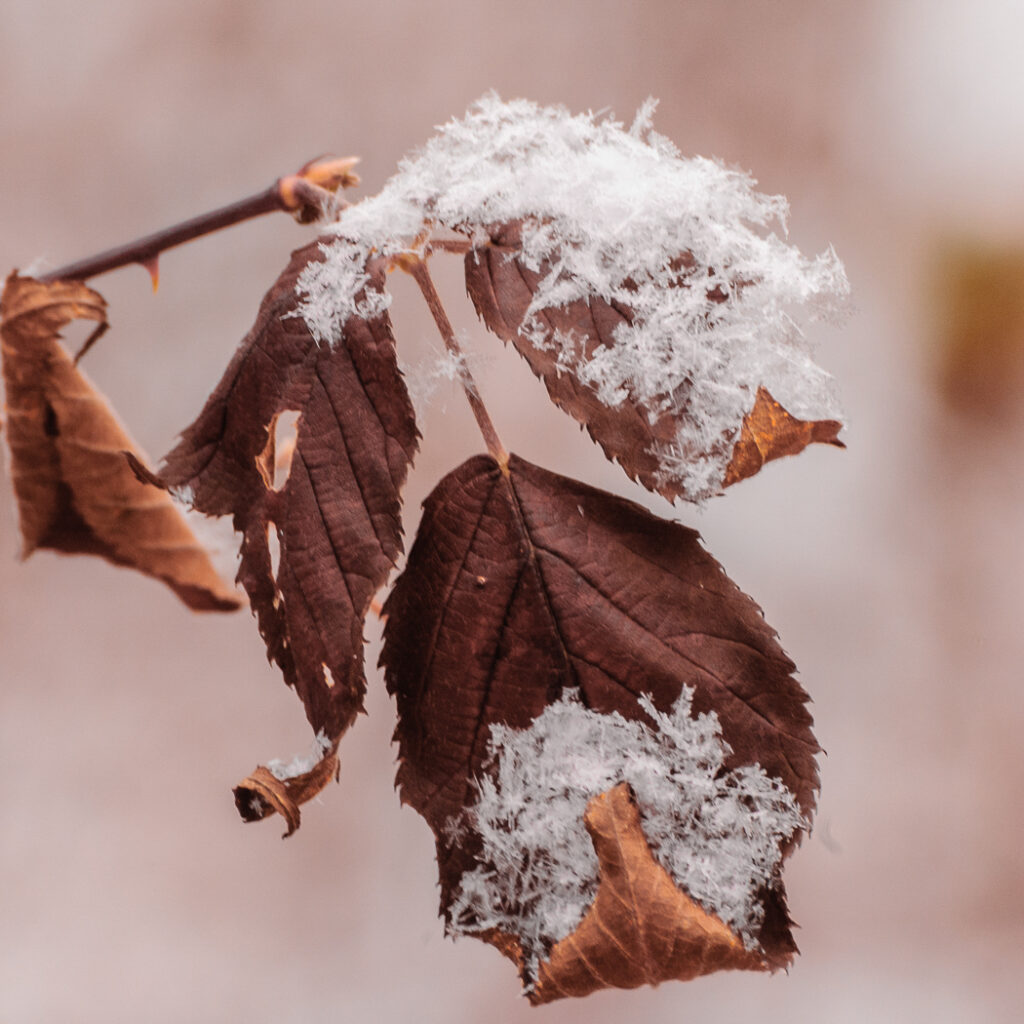
- If snow is not falling where you live, take a close up look at frost on windows, car windshields, or outdoor surfaces on cold mornings.
- Take a photo (if you have a camera or phone available) to examine details indoors.
Document Your Discoveries
- Draw the snowflakes you observe in your Nature Notebook.
- How many sides did you notice?
- Were any alike?
- What shapes or patterns stood out?
- What happened when the snowflake melted?
Share what you discover using #GreenHour and inspire others to look closely at winter’s tiny details.
Bonus:
- Is there no snow in your area right now? Create your own frozen winter art! Try making a Frozen Suncatcher and observe how freezing and melting change water in different ways.
- Learn more about ice crystals and simple winter science experiments with Ranger Rick®.